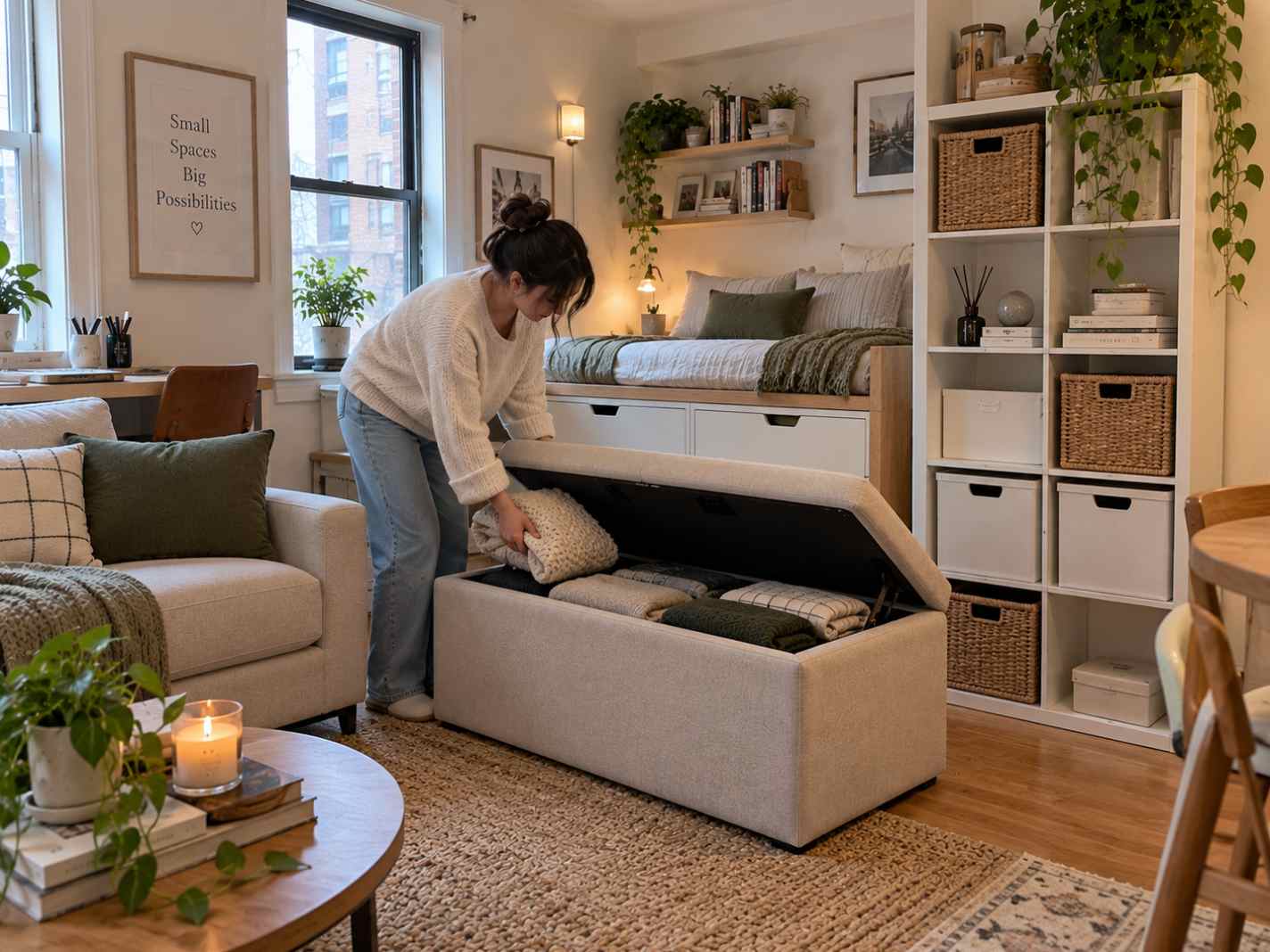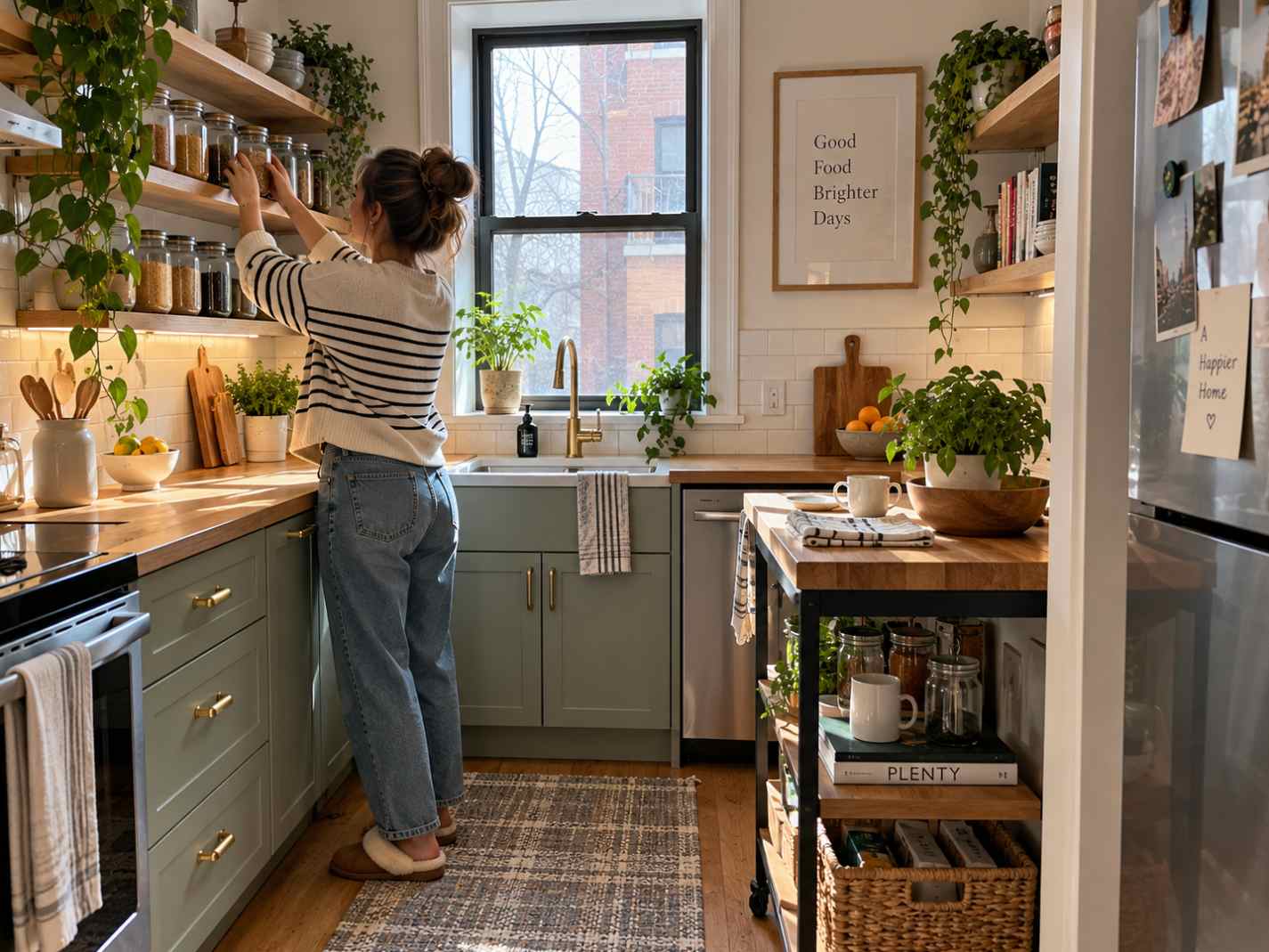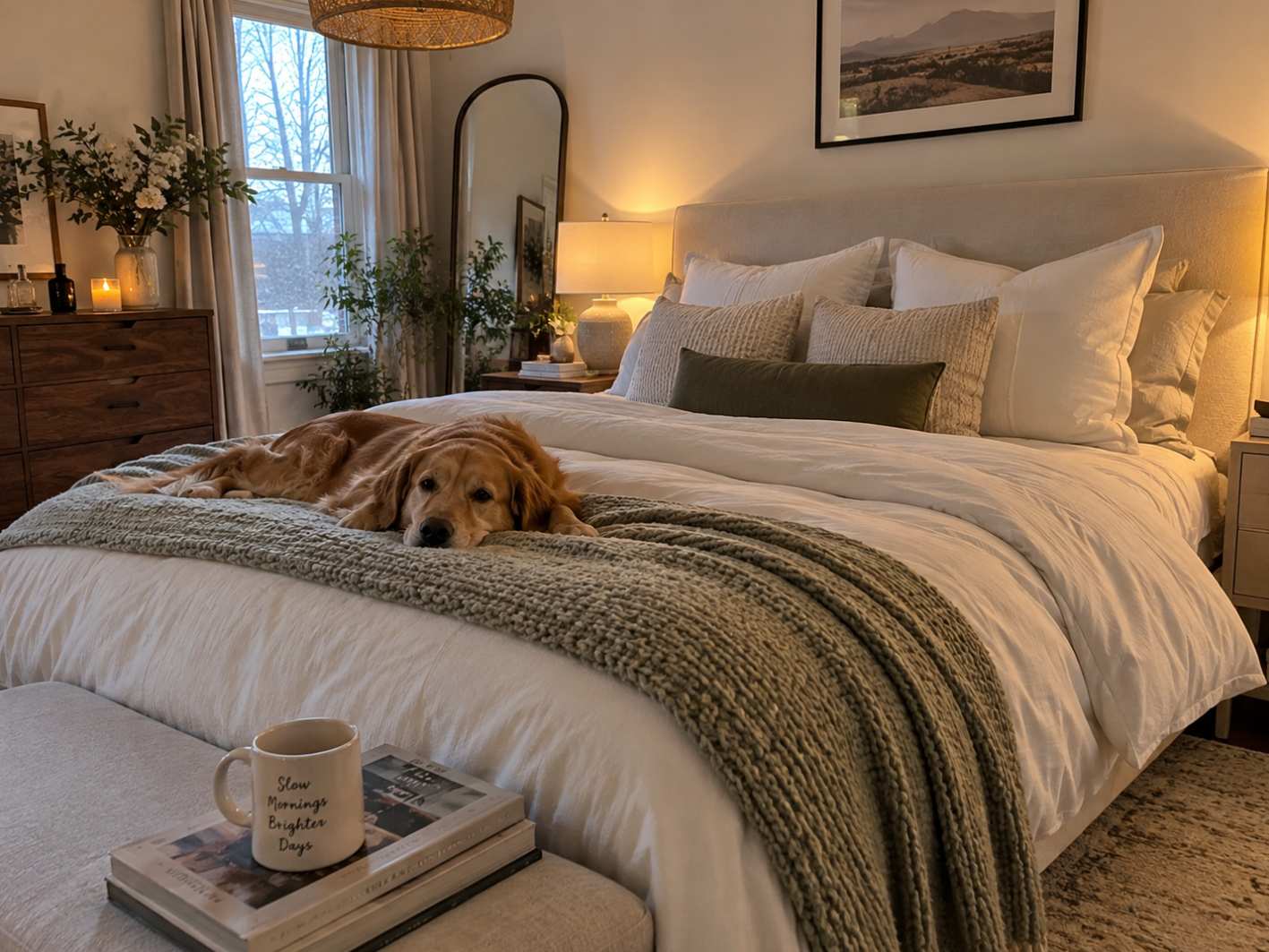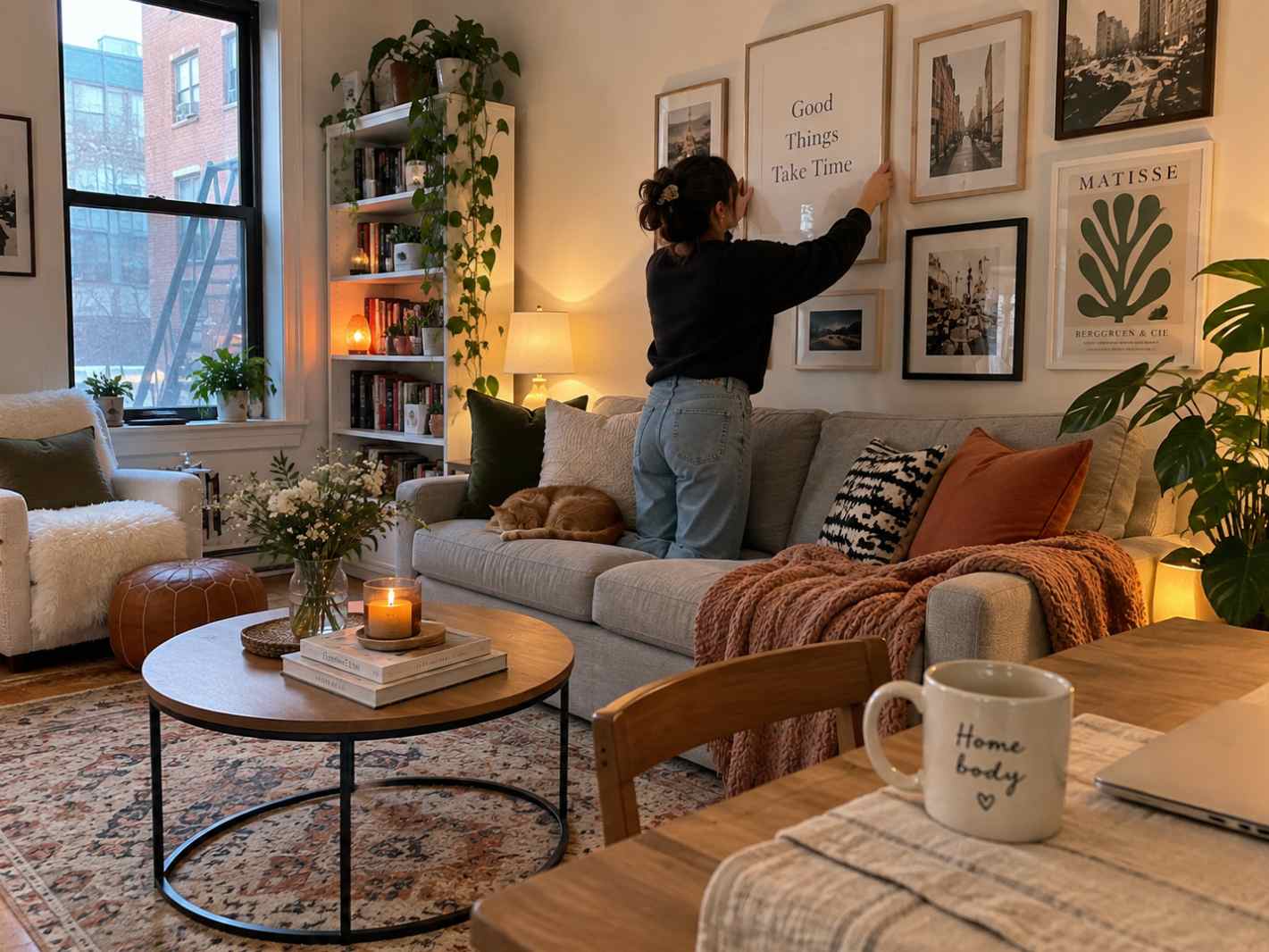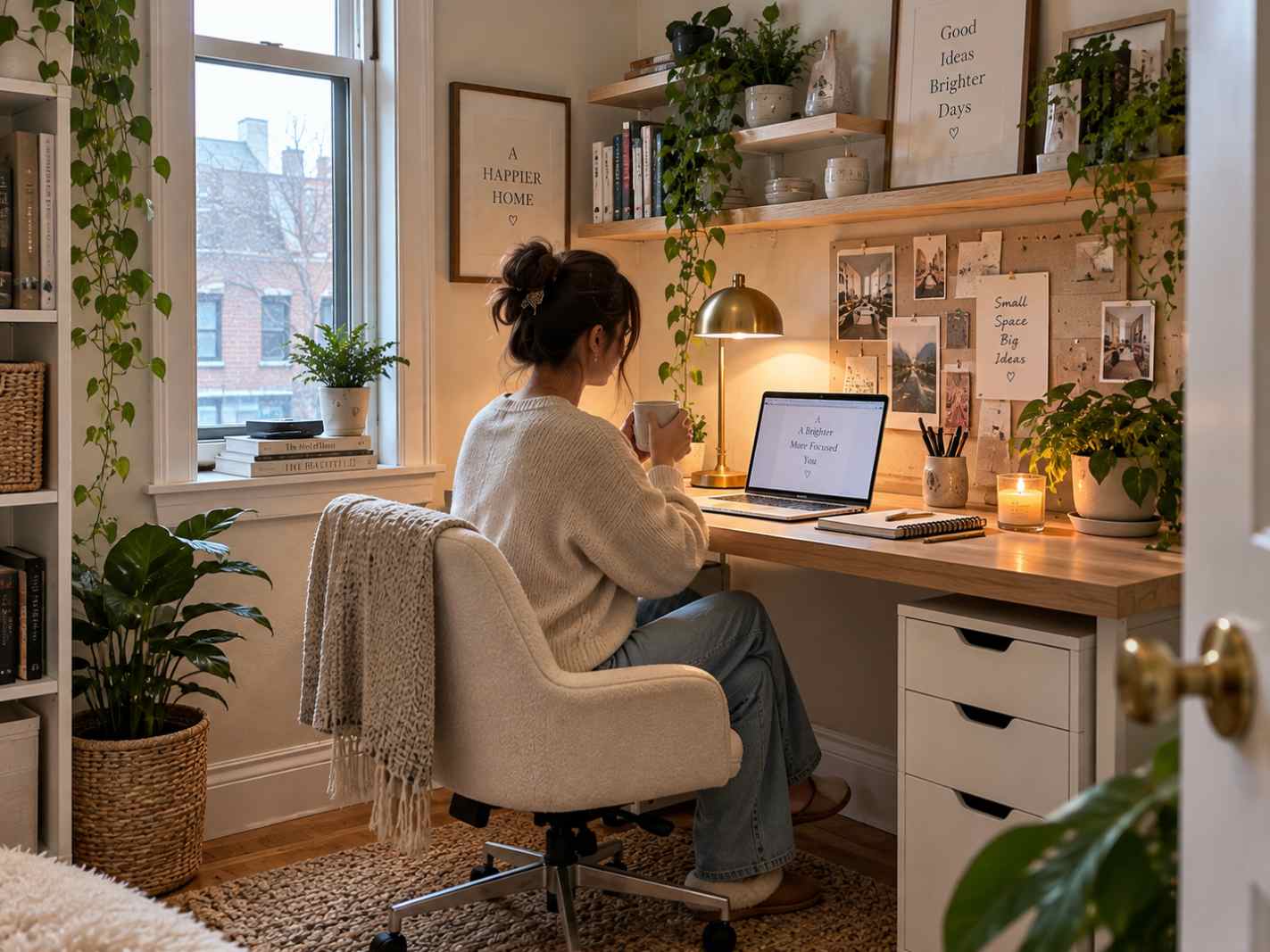
Creating a home office in a small space can feel challenging, especially when you do not have a separate room to dedicate to work.
But a beautiful and functional workspace does not require a large floor plan.
With the right desk, smart storage, thoughtful lighting, and a few design choices, even a small bedroom corner, living room wall, hallway nook, or compact apartment can become an inspiring place to work.
The goal is not simply to fit a desk somewhere. A good small home office should feel comfortable, organised, and visually connected to the rest of your home.
Here is how to create a beautiful home office in a small space without making your room feel crowded.
1. Start with the Smallest Space You Actually Need
Before buying furniture, think about how you really work.
Ask yourself:
- Do you use a laptop or desktop computer?
- Do you need space for paperwork?
- Do you need a printer?
- How many hours do you work at your desk?
- Do you need video-call space?
If you mostly work from a laptop, you may only need a compact desk and comfortable chair.
Avoid creating a larger office than your daily routine requires.
2. Use an Empty Wall
One of the easiest places to create a small home office is against an unused wall.
Look for space in:
- a living room
- bedroom
- dining area
- hallway
- guest room
A slim desk placed against the wall can create a full working area without taking over the room.
Keep the furniture simple so the workspace blends naturally with your interior.
3. Turn an Unused Corner into an Office
Corners are often wasted space.
A small corner desk or narrow writing desk can transform an empty area into a practical workspace.
Add:
- a comfortable chair
- small lamp
- floating shelf
- decorative print
This creates a defined office without needing an entire room.
4. Choose a Compact Desk
A large executive desk can overwhelm a small room.
Instead, look for:
- narrow desks
- writing desks
- compact computer desks
- small console-style desks
A desk around 36 to 48 inches wide can be enough for many home office setups.
For smaller UK homes, compact desks around 90 to 120 cm wide can work well.
5. Consider a Wall-Mounted Desk
A wall-mounted desk is one of the best solutions when floor space is limited.
It can provide enough room for:
- laptop
- notebook
- small lamp
without adding bulky furniture.
Some wall-mounted desks can even fold away when not in use.
This is especially useful in:
- studio apartments
- small bedrooms
- multifunctional rooms
6. Try a Floating Desk
Floating desks create a clean and modern appearance.
Because there are no traditional legs, more floor remains visible.
This can make the room feel larger.
Add floating shelves above the desk to create additional storage without using more floor space.
7. Use a Console Table as a Desk
A narrow console table can work surprisingly well as a home office desk.
It is especially useful if you want furniture that can serve multiple purposes.
When you are not working, it can function as:
- entryway table
- decorative console
- display surface
This flexibility is ideal for small homes.
8. Place Your Desk Near a Window
If possible, position your desk near natural light.
A window can make a small workspace feel:
- brighter
- larger
- more pleasant
Natural light can also reduce the need for artificial lighting during the day.
Try placing the desk:
- beside the window
- perpendicular to the window
- facing the window if the view is not distracting
9. Use Vertical Storage
When floor space is limited, walls become extremely valuable.
Install:
- floating shelves
- wall-mounted cabinets
- pegboards
- vertical organisers
Use them for:
- books
- documents
- office supplies
- decor
Vertical storage keeps the desk surface clear while adding useful capacity.
10. Add Floating Shelves Above the Desk
Floating shelves are particularly useful in small home offices.
They can hold:
- books
- storage boxes
- plants
- framed artwork
- small office supplies
Use matching containers to create a cleaner appearance.
Avoid overfilling shelves, as too many items can make a small workspace feel cluttered.
11. Use a Pegboard for Flexible Storage
A pegboard can turn an empty wall into practical office storage.
Use hooks and small shelves for:
- headphones
- notebooks
- scissors
- stationery
- cables
The advantage of a pegboard is flexibility.
You can rearrange the layout as your needs change.
12. Choose a Desk with Drawers
If space allows, choose a desk with built-in storage.
Drawers can hold:
- stationery
- chargers
- paperwork
- notebooks
Closed storage keeps everyday office items out of sight and helps the room feel calmer.
13. Use a Rolling Storage Cart
A slim rolling cart can provide extra storage without becoming permanent furniture.
Use it for:
- printer supplies
- notebooks
- craft materials
- files
When you are finished working, simply move it away.
This works especially well in multifunctional spaces.
14. Choose a Comfortable Chair That Does Not Look Too Bulky
Comfort matters, especially if you work from home regularly.
Look for a chair that offers:
- back support
- comfortable seat
- suitable height
- easy movement
If your office is part of a living room or bedroom, choose a design that complements your decor.
A chair with a slimmer frame can help the workspace feel less visually heavy.
15. Use a Dining Chair for Occasional Work
If you only work from home occasionally, you may not need a dedicated office chair.
A comfortable dining chair can work for shorter periods.
This can save both:
- money
- floor space
However, if you work at your desk for several hours every day, ergonomic support becomes more important.
16. Keep the Colour Palette Light
Light colours can make a small workspace feel more open.
Good options include:
- white
- cream
- beige
- light grey
- pale wood
You can add contrast with:
- black accessories
- green plants
- warm wood
- brass details
A simple colour palette creates a calmer atmosphere.
17. Match the Office to the Rest of the Room
If your office sits inside a bedroom or living room, avoid making it look like a completely separate environment.
Repeat colours and materials from the surrounding space.
For example, if your living room uses:
- light wood
- cream fabrics
- black accents
use similar elements in your office.
This makes the workspace feel intentional rather than added as an afterthought.
18. Use a Rug to Define the Workspace
In an open-plan room, a rug can help visually define the office area.
A small rug underneath the desk can create a clear zone without adding walls.
Choose a design that complements the rest of the room.
19. Add Good Task Lighting
Good lighting is essential for a comfortable home office.
Add:
- desk lamp
- wall-mounted light
- floor lamp
Choose lighting that provides enough brightness for work without feeling harsh.
A warm or neutral light can help the workspace feel more inviting.
20. Use Plug-In Wall Lights
If your desk is very small, a table lamp may take up too much space.
A plug-in wall light can free up the desktop.
It also creates a more customised look without requiring major electrical work.
This can be useful for renters when installed appropriately.
21. Hide Cables
Visible cables can make even a beautiful office look messy.
Use:
- cable clips
- cable boxes
- under-desk trays
- cable sleeves
Keep chargers and power strips organised underneath or behind the desk.
Reducing cable clutter instantly makes a small workspace feel more polished.
22. Keep the Desktop Mostly Clear
A small desk can quickly become crowded.
Try to keep only essential items visible:
- computer
- lamp
- notebook
- one or two decorative pieces
Store everything else in:
- drawers
- shelves
- boxes
Clear surfaces help small spaces feel larger.
23. Choose a Monitor Stand with Storage
If you use a computer monitor, consider a raised stand.
Some designs include storage underneath for:
- keyboard
- notebooks
- small accessories
Raising the monitor can also improve the visual organisation of the desk.
24. Use a Laptop Stand
A laptop stand takes up very little space but can improve both organisation and comfort.
It can:
- raise the screen
- create space underneath
- reduce desktop clutter
Pair it with a compact keyboard if necessary.
25. Mount Your Monitor
If your setup allows it, a monitor arm can free up valuable desk space.
This creates room for:
- notebooks
- keyboard
- paperwork
It also gives the office a cleaner and more modern look.
26. Add a Small Plant
Plants can make a home office feel more relaxed and personal.
Choose compact options such as:
- pothos
- snake plant
- succulent
- small fern
If desktop space is limited, place the plant on a shelf instead.
27. Use Artwork to Create Personality
A small office does not need much decoration.
One or two pieces of artwork may be enough.
Try:
- abstract prints
- photography
- typography
- nature-inspired artwork
Keep the colours connected to the rest of your interior.
28. Add a Pinboard or Noticeboard
A noticeboard can be both practical and decorative.
Use it for:
- reminders
- inspiration
- schedules
- photographs
- important notes
Choose a simple cork, fabric, or magnetic design.
29. Keep Paperwork Under Control
Paper clutter can quickly overwhelm a small office.
Create a simple system for:
- incoming documents
- bills
- receipts
- important papers
Use:
- folders
- file boxes
- vertical organisers
Go through paperwork regularly so it does not build up.
30. Use Decorative Storage Boxes
Office supplies do not always need to be visible.
Use attractive storage boxes for:
- cables
- documents
- stationery
- spare technology
Neutral boxes can blend into shelves and reduce visual clutter.
31. Choose Multifunctional Furniture
Furniture that serves more than one purpose is ideal for small homes.
Examples include:
- desk with storage
- console desk
- shelving desk
- storage ottoman used as extra seating
The fewer separate pieces you need, the more open the room will feel.
32. Turn a Closet into a Home Office
If you have an unused or underused closet, consider turning it into a compact office.
A “cloffice” can include:
- small desk
- shelves
- task lighting
- storage boxes
If the doors remain, you may even be able to close the office away at the end of the day.
33. Use an Alcove
Small alcoves can be ideal for home offices.
A custom-width desk or floating surface can fit neatly between walls.
Add shelves above it for storage.
This creates a built-in appearance without using much floor space.
34. Use the Space Under the Stairs
In some homes, the area under a staircase can become a practical office.
Add:
- slim desk
- chair
- shelves
- task lighting
This turns an awkward area into useful workspace.
35. Create an Office Behind the Sofa
In an open-plan living room, consider placing a slim desk behind the sofa.
This can create a workspace without taking up a separate wall.
A narrow desk or console-style table works best.
36. Create a Bedroom Office Carefully
A bedroom can work well for a home office, but the workspace should not dominate the room.
Choose:
- compact furniture
- calm colours
- minimal accessories
If possible, position the desk away from the bed.
This helps create some separation between work and rest.
37. Hide the Office When Work Is Finished
If your workspace is in a living area, being able to hide it can help your home feel more relaxing.
Options include:
- closing a secretary desk
- storing your laptop in a drawer
- using a fold-down desk
- moving office supplies into a cabinet
Creating a clear end to the workday can also make the room feel less like a permanent office.
38. Use Mirrors to Make the Space Feel Larger
A mirror near your office can reflect light and create a sense of extra space.
Try:
- a large leaning mirror
- round wall mirror
- mirror opposite a window
Avoid placing it where reflections become distracting during video calls.
39. Keep Decor Simple
Small home offices do not need many accessories.
A simple combination may be enough:
- lamp
- plant
- framed print
- storage box
Too much decoration can reduce valuable workspace and create visual clutter.
40. Make the Workspace Feel Personal
Functionality matters, but your office should also be somewhere you enjoy spending time.
Add small personal details such as:
- favourite photo
- meaningful artwork
- travel souvenir
- beautiful notebook
The goal is to create an environment that feels comfortable rather than corporate.
Best Small Home Office Ideas for Apartments
Apartment living often requires rooms to serve several purposes.
Good solutions include:
- wall-mounted desks
- narrow writing desks
- floating shelves
- rolling carts
- compact chairs
- hidden cable storage
Try to choose furniture that can move with you if you change homes.
Best Small Home Office Ideas for Renters
If you rent, focus on changes that are easy to reverse.
Consider:
- freestanding desks
- removable hooks
- leaning shelves
- rolling storage
- plug-in lighting
- decorative boxes
Check your lease before drilling into walls or installing permanent shelving.
How to Create a Small Home Office in a Living Room
The key is making the office feel connected to the room.
Use furniture that matches the living area.
For example:
- wooden desk matching the coffee table
- office chair in a similar fabric to other seating
- coordinated artwork
Keep office clutter hidden so the workspace does not dominate the living room.
How to Create a Small Home Office in a Bedroom
Keep the setup calm and minimal.
Choose:
- narrow desk
- soft lighting
- closed storage
- neutral colours
Avoid leaving work materials scattered around the room at night.
A drawer or storage box can help you put work away when the day ends.
How to Make a Small Home Office Look Expensive
You do not need designer furniture.
Focus on a few details that create a more polished appearance.
Choose a Simple Colour Palette
Neutral colours often look calmer and more sophisticated.
Hide Cables
Cable management makes an immediate difference.
Use One Beautiful Lamp
A stylish lamp can become a focal point.
Add Natural Materials
Try:
- wood
- linen
- ceramic
- woven storage
Keep Surfaces Clear
A tidy workspace almost always looks more intentional.
Small Home Office Storage Essentials
Useful storage products may include:
- floating shelves
- drawer organisers
- rolling carts
- desktop organisers
- filing boxes
- cable management boxes
- wall organisers
Do not buy every organiser at once.
Start with your actual storage problems and choose solutions accordingly.
Common Small Home Office Mistakes to Avoid
Choosing a Desk That Is Too Large
Measure the space before buying furniture.
Leave enough room to move comfortably.
Ignoring Chair Comfort
A beautiful office is not useful if the chair becomes uncomfortable after an hour.
Keeping Too Much on the Desk
Clear surfaces are especially important in compact spaces.
Using Poor Lighting
A dark workspace can feel smaller and become tiring to use.
Adding Too Much Open Storage
Open shelves can look beautiful, but they require regular organisation.
Use a combination of open and closed storage.
Forgetting the Background for Video Calls
If you regularly join online meetings, consider what appears behind you.
A simple background with:
- artwork
- bookshelf
- neutral wall
- plant
can look professional without requiring a separate office.
Final Thoughts
Creating a beautiful home office in a small space is less about having more room and more about using the room you have thoughtfully.
A compact desk, comfortable chair, good lighting, vertical storage, and a clutter-free layout can transform even an unused corner into a practical workspace.
Keep the design connected to the rest of your home, use furniture that fits your actual needs, and avoid filling the space with unnecessary office equipment.
Your home office does not need to be large to feel inspiring. With a few smart choices, even the smallest workspace can become comfortable, organised, and beautiful.