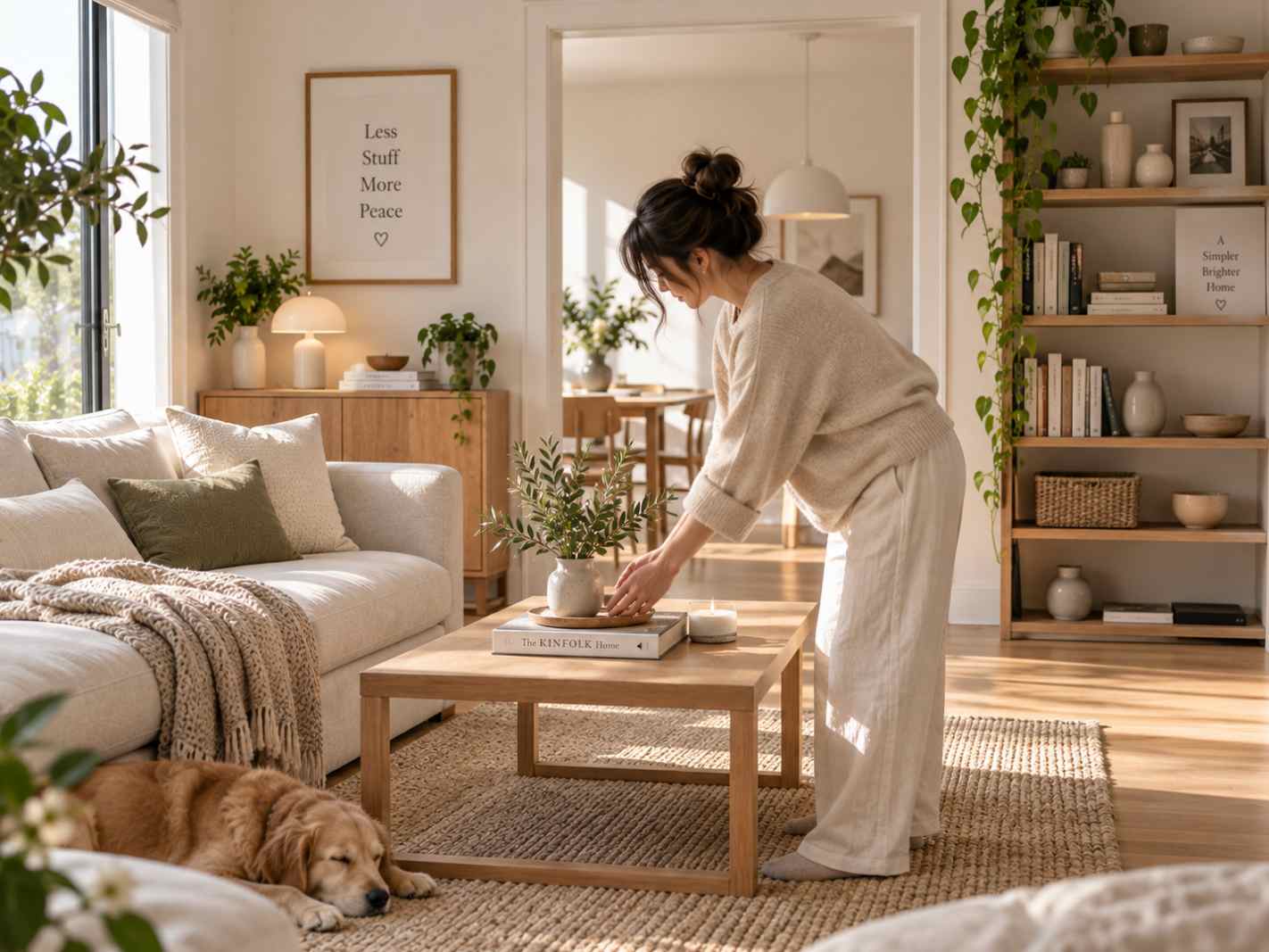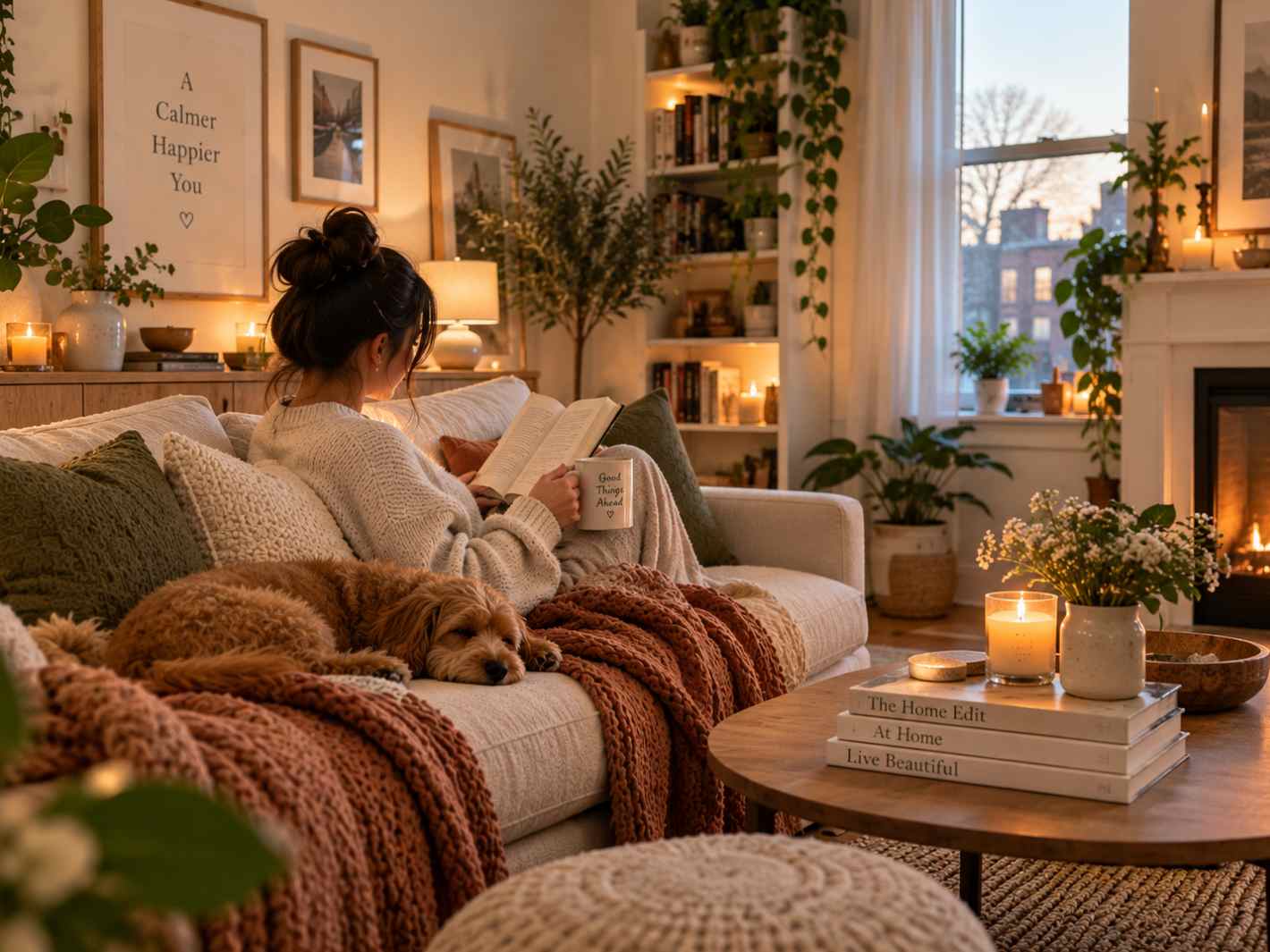
Home should be the place where you can finally exhale.
After a long day of work, commuting, errands, conversations, screens, and responsibilities, your home should feel different from the outside world. It should feel quieter, softer, and more personal.
Creating a home that feels like a personal sanctuary is not about buying expensive furniture or copying a perfectly styled room from social media. It is about designing your space around the way you want to feel when you are there.
For some people, that means warm lighting and comfortable blankets. For others, it may mean an uncluttered bedroom, a peaceful reading corner, or a kitchen that feels organised and easy to use.
The goal is simple: create a home that helps you feel comfortable, calm, and completely yourself.
1. Start with How You Want Your Home to Feel
Before thinking about furniture or decor, think about atmosphere.
Ask yourself:
- Do I want my home to feel calm?
- Warm?
- Bright?
- Cosy?
- Minimal?
- Elegant?
- Creative?
Choosing a feeling first makes decorating much easier.
For example, if you want your home to feel peaceful, you may naturally choose:
- softer colours
- less clutter
- warm lighting
- natural materials
- comfortable furniture
Design becomes more intentional when you know how you want the space to make you feel.
2. Remove What Creates Visual Stress
A sanctuary should not constantly remind you of unfinished tasks.
Visual clutter can make a room feel busy even when you are trying to relax.
Start by reducing:
- piles of paperwork
- unnecessary decor
- unused furniture
- visible cables
- overflowing shelves
You do not need to become a minimalist.
Simply remove the things that no longer improve your daily life.
A little more empty space can make your home feel noticeably calmer.
3. Create a Soft, Relaxing Colour Palette
Colour strongly influences atmosphere.
For a peaceful home, consider softer shades such as:
- warm white
- cream
- beige
- taupe
- soft grey
- muted green
- dusty blue
You do not need to repaint every room.
Introduce calmer colours through:
- cushions
- curtains
- rugs
- bedding
- artwork
A consistent palette can make the entire home feel more connected.
4. Use Warm Lighting Instead of Harsh Lighting
Lighting is one of the most important elements in creating a relaxing home.
Bright overhead lighting can feel practical but rarely feels cosy.
Create layers using:
- table lamps
- floor lamps
- wall lights
- candles
- small accent lamps
During the evening, use softer lighting to create a gradual transition from daytime activity to rest.
Warm light can instantly make a room feel more welcoming.
5. Make Comfort a Priority
A beautiful home should also feel good to live in.
Choose furniture and textiles based on comfort, not appearance alone.
Think about:
- a sofa you actually enjoy sitting on
- bedding that feels comfortable
- chairs with proper support
- rugs that feel soft underfoot
Your home is not a showroom.
The most important design question is whether you enjoy spending time there.
6. Add Soft Textures
Texture creates physical and visual comfort.
Layer materials such as:
- linen
- cotton
- wool
- velvet
- boucle
- knitted fabrics
Use them through:
- cushions
- blankets
- rugs
- curtains
- bedding
Even a simple room can feel much warmer when several soft textures are combined.
7. Bring Natural Materials into Your Home
Natural materials help create a grounded, timeless atmosphere.
Consider:
- wooden furniture
- woven baskets
- stone accessories
- ceramic pieces
- linen fabrics
- rattan accents
These materials often feel warmer and less artificial than highly polished surfaces.
They also work beautifully with neutral interiors.
8. Bring in Plants and Greenery
Plants can instantly soften a room.
Use:
- large floor plants
- small shelf plants
- fresh flowers
- branches in simple vases
Popular low-maintenance options include:
- snake plants
- pothos
- ZZ plants
Even one or two plants can make a room feel more alive and relaxed.
9. Create a Relaxing Living Room
The living room is often where you spend the most time relaxing.
Make it feel more inviting with:
- comfortable seating
- soft lighting
- blankets
- cushions
- a large rug
- a few personal items
Arrange furniture for conversation and comfort rather than simply facing everything toward the television.
10. Turn Your Bedroom into a True Retreat
Your bedroom should be one of the calmest rooms in your home.
Keep the design simple.
Focus on:
- comfortable bedding
- soft colours
- blackout curtains
- warm bedside lighting
- uncluttered surfaces
Try to keep work-related items away from the bed if possible.
Your bedroom should visually signal rest.
11. Create a Reading Corner
A personal sanctuary can include small spaces dedicated to slowing down.
A reading corner may only require:
- one comfortable chair
- a floor lamp
- small table
- soft throw
Place it near a window if possible.
It can become a quiet place for:
- reading
- journaling
- drinking coffee
- simply sitting without a screen
12. Create Small Ritual Spaces
Think about the routines you enjoy.
You might create:
- a morning coffee corner
- tea station
- meditation area
- skincare space
- music corner
These areas do not need to be large.
The idea is to make everyday rituals feel more enjoyable.
13. Reduce Digital Clutter
A sanctuary should provide some relief from constant notifications.
Consider creating areas where phones and laptops are less visible.
For example:
- charging station outside the bedroom
- drawer for devices
- screen-free reading corner
You do not need to remove technology completely.
Simply create moments where your home feels less digitally demanding.
14. Use Scent to Change the Atmosphere
Scent can affect how a space feels almost immediately.
Try:
- candles
- reed diffusers
- essential oil diffusers
- fresh flowers
Popular calming scents include:
- lavender
- sandalwood
- vanilla
- cedar
- eucalyptus
Choose scents you personally associate with comfort.
15. Play with Natural Light
Natural light can make a room feel more open and peaceful.
During the day:
- open curtains
- keep windows unobstructed
- use mirrors to reflect light
Choose lighter curtains if privacy allows.
A brighter room can feel more uplifting and spacious.
16. Create Evening Ambience
Your home can change throughout the day.
In the evening, create a softer atmosphere by:
- dimming lights
- lighting candles
- closing curtains
- putting away work materials
- playing quiet music
These small habits can help your home feel noticeably more relaxing.
17. Add Meaningful Objects
Your home should reflect your life, not simply current trends.
Display things that have meaning to you, such as:
- family photos
- travel souvenirs
- books
- handmade objects
- artwork you genuinely love
Meaningful items create emotional warmth that cannot be achieved by buying decorative objects simply because they are fashionable.
18. Avoid Overdecorating
A sanctuary usually needs some breathing room.
Too many:
- cushions
- framed pictures
- ornaments
- small accessories
can create visual noise.
Instead, choose fewer pieces and give them space.
A beautiful lamp or vase often has more impact when it is not surrounded by dozens of other objects.
19. Make Storage Feel Effortless
A home feels calmer when it is easy to put things away.
Use practical storage for everyday items.
Good options include:
- baskets
- drawers
- storage benches
- closed cabinets
- decorative boxes
Store items close to where you use them.
For example, keep blankets near the sofa rather than in another room.
Organisation should make life easier, not create extra work.
20. Create a Calm Entryway
The entrance sets the tone for your entire home.
Keep it simple with:
- a small rug
- hooks
- shoe storage
- mirror
- narrow console
Avoid allowing bags, shoes, and mail to build up.
Coming home to an organised entrance can make the whole home feel calmer.
21. Make Your Bathroom Feel More Spa-Like
A bathroom can become a small retreat without a renovation.
Try:
- soft towels
- matching containers
- a bath mat
- candles
- greenery
Reduce visible product clutter by using:
- drawers
- trays
- cabinets
Small upgrades can make everyday routines feel more relaxing.
22. Create a Calm Kitchen
A peaceful home also includes functional spaces.
Keep your kitchen feeling calm by:
- clearing countertops
- organising cabinets
- grouping similar items
- keeping everyday tools accessible
Add warmth with:
- wooden cutting boards
- ceramic containers
- plants
- soft lighting
A well-organised kitchen can make daily life feel easier.
23. Add a Soundtrack to Your Home
Sound can shape atmosphere just as much as lighting.
Try playing:
- soft jazz
- acoustic music
- classical music
- nature sounds
Choose something that helps you slow down.
A quiet playlist can make an ordinary evening feel more intentional.
24. Create Seasonal Comfort
Your home can change slightly with the seasons.
Spring
Add:
- fresh flowers
- lighter fabrics
- softer colours
Summer
Use:
- linen
- airy curtains
- natural textures
Autumn
Introduce:
- heavier throws
- candles
- warm colours
Winter
Layer:
- blankets
- rugs
- soft lighting
Small seasonal changes can help your home feel comfortable all year.
25. Design Around Your Real Life
Your home should support the way you actually live.
If you love reading, create space for books.
If you work from home, build a workspace you enjoy.
If you host friends, make your living area welcoming.
If you love cooking, prioritise kitchen organisation.
A sanctuary is personal.
It should make your everyday habits easier and more enjoyable.
26. Create a Space for Quiet Moments
Even if your home is small, try to create one place where you can pause.
It could be:
- a window seat
- balcony chair
- bedside corner
- comfortable armchair
This becomes your personal place to step away from activity for a few minutes.
27. Use Curtains to Soften the Space
Curtains can completely change the atmosphere of a room.
Choose:
- soft linen
- cotton
- sheer layers
Floor-length curtains can make rooms feel more finished and comfortable.
They also soften hard architectural lines.
28. Choose Rugs That Feel Comfortable
Rugs create physical warmth and help define different areas.
Use them in:
- living rooms
- bedrooms
- hallways
- home offices
Choose textures that feel comfortable underfoot.
A larger rug often makes a room feel more cohesive than several small rugs.
29. Keep Your Home Easy to Maintain
A sanctuary should not require constant work.
Choose:
- washable fabrics
- durable surfaces
- easy-to-clean rugs
- practical storage
A space that is beautiful but difficult to maintain can quickly become stressful.
Good design should support everyday life.
30. Stop Chasing Every Home Decor Trend
Trends can be inspiring, but they should not define your entire home.
Before buying something, ask:
- Do I genuinely like this?
- Will I still enjoy it next year?
- Does it work with what I already own?
A home feels more personal when it develops gradually rather than changing with every trend.
How to Create a Personal Sanctuary on a Budget
You do not need a large decorating budget.
Start with changes that have a strong impact:
- declutter
- rearrange furniture
- change lighting
- add a throw
- introduce plants
- change cushions
- organise visible surfaces
Sometimes the biggest improvement comes from removing things rather than buying more.
How to Create a Sanctuary in a Small Apartment
Small homes can feel incredibly cosy when designed thoughtfully.
Focus on:
- multifunctional furniture
- hidden storage
- warm lighting
- soft textures
- a consistent colour palette
Avoid overcrowding the space.
Leaving some empty areas helps a small apartment feel calmer.
How to Create a Sanctuary in a Rental
You can create a deeply personal home without permanent changes.
Try:
- removable wallpaper
- large rugs
- leaning mirrors
- plug-in lighting
- artwork
- curtains
- plants
Choose items you can take with you when you move.
Personal Sanctuary Essentials
You do not need all of these, but a few can make a noticeable difference:
- soft throw blanket
- table lamp
- comfortable cushions
- quality bedding
- large rug
- candles or diffuser
- indoor plants
- baskets
- meaningful artwork
- comfortable chair
The best pieces are the ones you actually use and enjoy.
Common Mistakes to Avoid
Copying Someone Else’s Home
A room can look beautiful online and still feel wrong for you.
Use inspiration, but adapt it to your own lifestyle.
Buying Too Much at Once
Let your home develop naturally.
It often feels more personal when items are collected over time.
Focusing Only on Appearance
Comfort, sound, scent, lighting, and organisation matter just as much as visual style.
Filling Every Empty Space
Not every wall, shelf, or corner needs decoration.
Empty space can feel peaceful.
Keeping Things You No Longer Enjoy
Your surroundings affect how your home feels.
Remove items that create clutter or no longer have meaning.
Final Thoughts
Creating a home that feels like your personal sanctuary is not about achieving a perfect interior.
It is about creating a space that supports the way you want to live.
Choose colours that calm you, furniture that feels comfortable, lighting that creates warmth, and objects that carry meaning. Remove unnecessary clutter and give yourself spaces where you can genuinely slow down.
The most beautiful homes are not necessarily the biggest or most expensive.
They are the ones that make you feel good the moment you walk through the door.